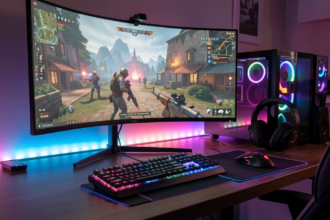
For many people, gaming begins as a simple way to relax and have fun. A few minutes of play after school or work slowly turns into hours of exploration, laughter, and excitement. At first, there is no pressure — just enjoyment. However, as skills improve and confidence grows, something changes. Players begin to crave challenges, tougher opponents, and bigger victories. What starts as casual entertainment gradually becomes a competitive passion. This transformation from casual player to serious competitor is a journey filled with learning, dedication, and growth.
The First Steps: Playing for Fun
Every gamer starts somewhere. In the beginning, gaming is all about enjoyment. Players explore colorful worlds, try new characters, and learn the basic controls. There is no focus on winning or losing — only on having a good time.
Casual gaming allows players to relax without stress. They play at their own pace, experimenting freely and making mistakes without worry. This stage is important because it builds comfort and interest. Without fun, there would be no reason to continue. The love for gaming begins here.
Learning the Basics
As players spend more time in games, they naturally start improving. They learn how the controls work, understand the rules, and recognize patterns. Simple tasks that once felt difficult become easy.
This stage is where basic skills develop. Players gain better reflexes, hand-eye coordination, and decision-making abilities. They begin to understand strategies and notice how experienced players perform better. Slowly, curiosity grows. They start thinking, “How can I get better?” This question marks the beginning of the competitive journey.
The Spark of Competition
At some point, casual players face stronger opponents or join multiplayer matches. Suddenly, the game feels different. Winning becomes more exciting, and losing becomes more noticeable. Competition adds intensity.
This spark often motivates players to improve. They want to win more matches, rank higher, or prove themselves against others. Friendly rivalries with friends or online players push them to try harder. The game is no longer just about fun — it becomes about challenge and achievement.
Competition transforms gaming into something more meaningful and engaging.
Practice and Dedication
Moving from casual to competitive requires effort. Skilled players understand that improvement does not happen by accident. They practice regularly, learning maps, mastering techniques, and studying strategies.
Practice may involve repeating difficult levels, watching tutorials, or analyzing past mistakes. Players begin to focus on details they once ignored, such as timing, positioning, or teamwork. This dedication builds discipline and patience.
Just like athletes train for sports, competitive gamers train their minds and reflexes. The more they practice, the more confident they become. Hard work slowly turns average players into strong competitors.
Developing Strategy and Game Sense
As skills grow, players realize that gaming is not just about speed. Strategy becomes equally important. Competitive gamers think carefully before making moves. They plan attacks, predict opponents’ actions, and adapt quickly.
This awareness, often called “game sense,” separates good players from great ones. It allows them to stay calm and make smart decisions under pressure. Strategy helps them outthink their opponents, not just outplay them.
Learning to think strategically is a major step in the journey toward competitive gaming.
The Role of Teamwork
Many competitive games rely on teamwork. Players must communicate, cooperate, and support one another. Success depends not only on individual skill but also on how well the team works together.
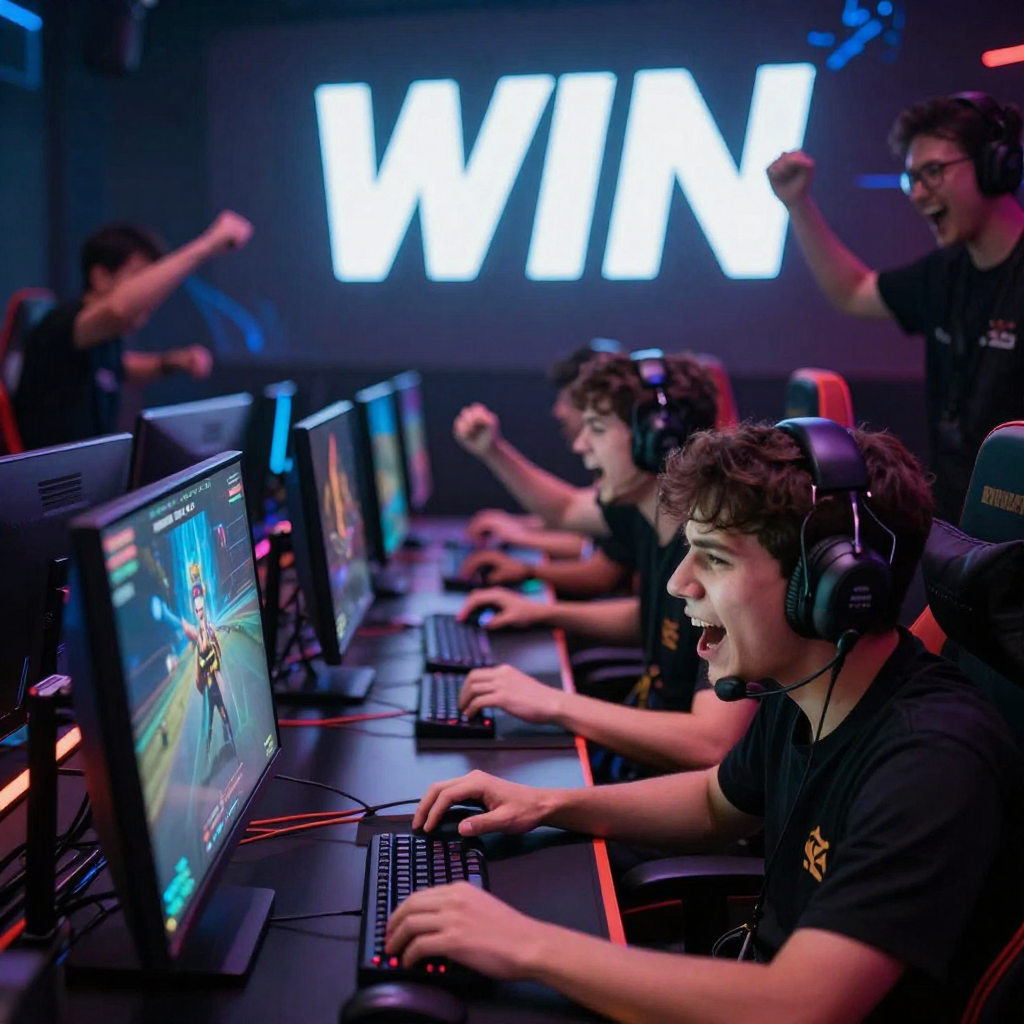
Through teamwork, players develop leadership and communication skills. They learn to trust others and share responsibilities. Celebrating wins together and overcoming losses as a group strengthens bonds.
This social aspect makes the competitive journey even more rewarding. Teammates often become close friends who motivate each other to keep improving.
Facing Challenges and Setbacks
The path to competitive gaming is not always easy. There are losses, mistakes, and frustrating moments. Sometimes progress feels slow, and players may doubt themselves.Visit hargatoto slot online for more details.
However, setbacks are part of growth. Each defeat teaches valuable lessons. Competitive gamers learn to stay patient and resilient. Instead of giving up, they analyze what went wrong and try again.
Overcoming these challenges builds mental strength. It prepares players to handle pressure and stay focused during important matches.
Entering the Competitive Scene
For some players, the journey leads to tournaments, ranked matches, or even esports competitions. Gaming becomes more serious and structured. They compete against highly skilled opponents and aim for bigger goals.
This stage brings excitement and recognition. Players may join teams, participate in events, or stream their gameplay. What once was a simple hobby now feels like a passion or even a career path.
Reaching this level shows how far they have come — from casual beginnings to competitive excellence.
Conclusion
In conclusion, the journey from casual to competitive gaming is a story of growth, dedication, and passion. It begins with simple fun and slowly evolves into a desire to improve and succeed. Along the way, players develop skills, strategies, friendships, and resilience. Each stage teaches valuable lessons that extend beyond the screen. Whether someone chooses to stay casual or pursue competition, the journey itself is rewarding. From the first click to the final victory, gaming proves that with effort and determination, anyone can level up — both in the game and in life.